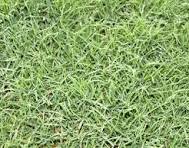
Drought-tolerant, fine-bladed, and low-maintenance. Better suited for cooler or shaded areas than Tifway 419.
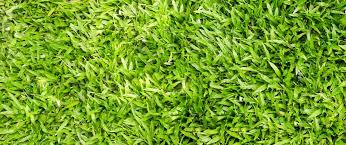
Low maintenance and good for the Southeast, but has less wear resistance and not optimal for erosion control.
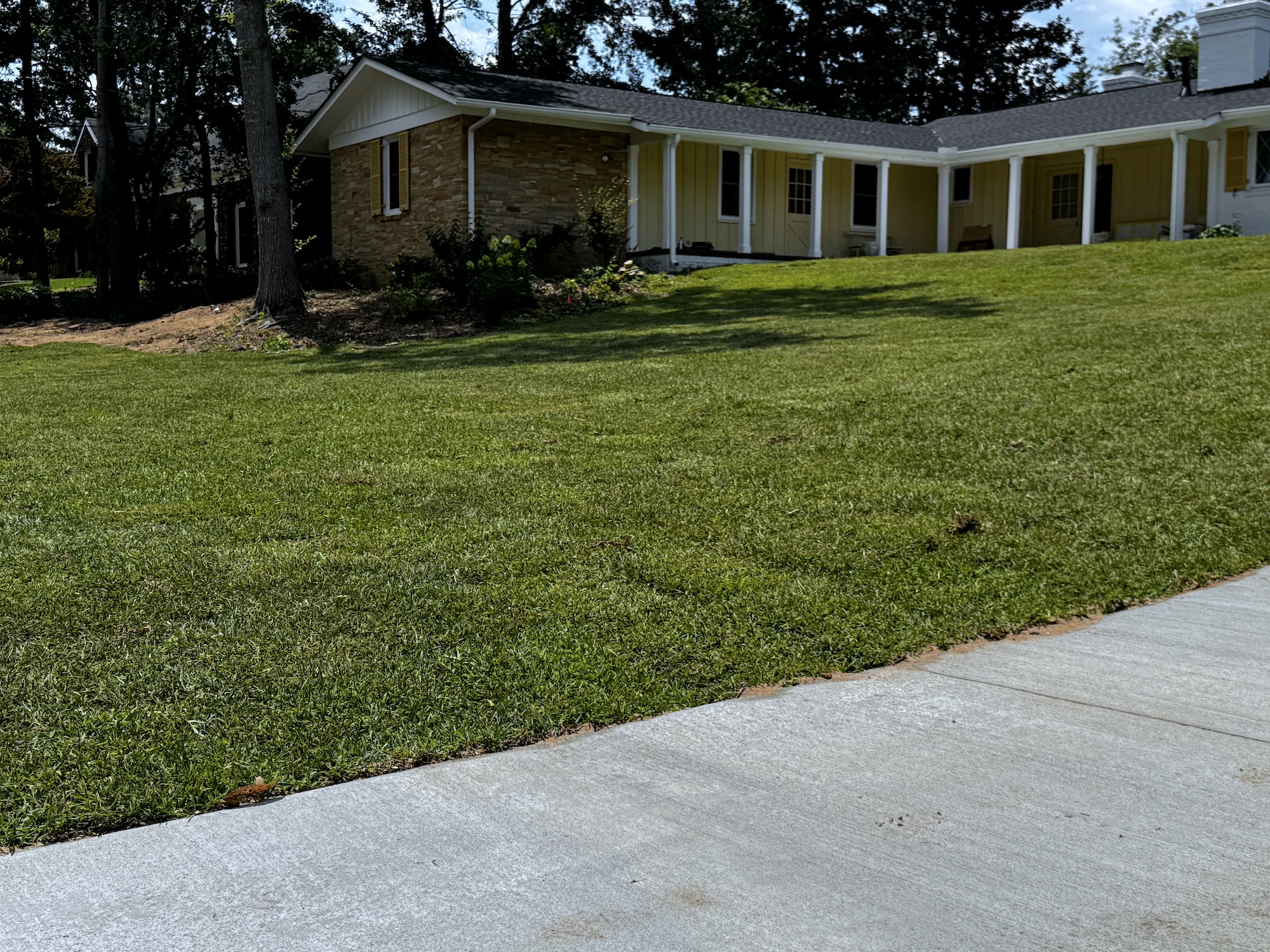
With over 1 billion square feet sold, Palmetto St. Augustine is the most sold patented turfgrass globally. Selected for improved color and texture. Palmetto has excellent shade, cold, frost, heat, and drought tolerance. This adaptable turfgrass is utilized across the southern United States, from the Carolinas to California, in a range of climatic and soil conditions, making it a suitable choice for both residential and commercial applications. The downside to this grass is its susceptibility to fungus in hot humid conditions where low lying breezes are missing. Spraying regularly with fungicides is a common practice. Landscapers often educate their customers on this practice and the best product to use.
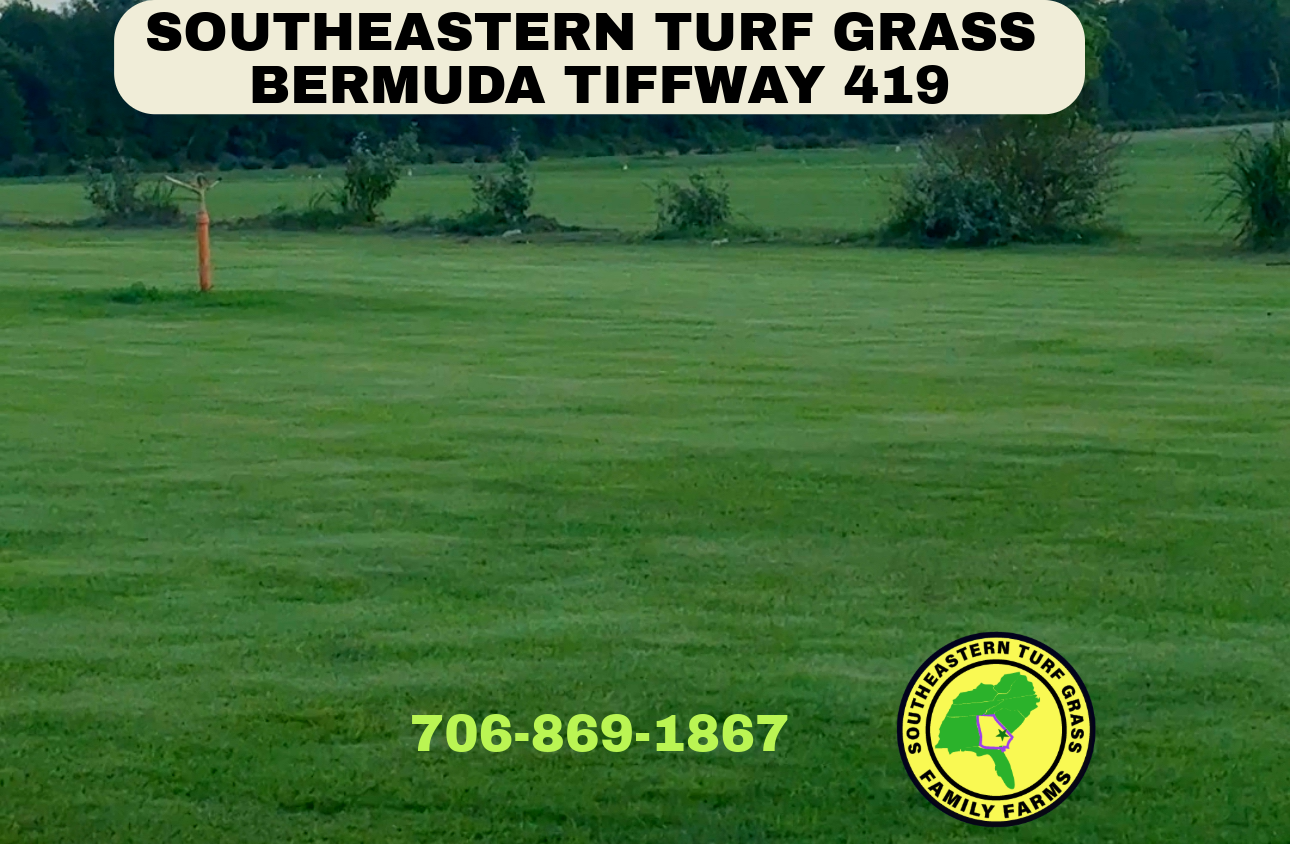
Tifway 419 is the gold standard of turf grasses. It is used on all forms of athletic fields, polo fields, and golf courses due to its toughness in regrowing following physical insults. It is also known for its beautiful, lush green color and softness from the thin blades of grass.
Tifway 419 is an enhanced hybrid bermuda produced by the renowned grass breeding facility in Tifton, Georgia. Tifway produces a fine-textured, thick hybrid bermuda grass that performs well in high-traffic areas or on sporting fields. It is more aggressive than Tifgreen and retains its color longer in the winter. Tifway thrives in full light with a mowing height of 1/4 - 1 1/2 inch. When fully grown, it tolerates dryness and heat well and recovers rapidly from mistreatment or neglect.
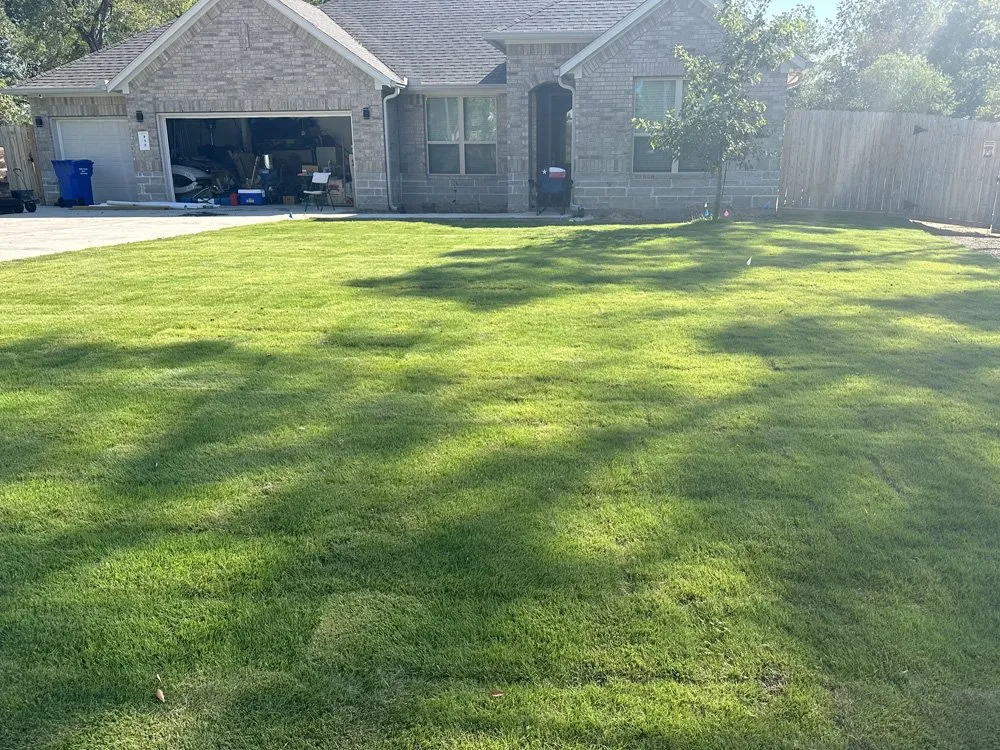
Emerald zoysia is a fine-textured hybrid zoysia grass that is one of the most visually appealing zoysia grasses. It is ideal for high-quality lawns that receive regular upkeep and attention. Emerald zoysia is less hardy than Meyer zoysia but more shade tolerant. Emerald zoysia is a dark green plant with fine leaf texture, a dense stalk canopy, and a slow growth habit. Emerald zoysia will quickly generate extra thatch if over-fertilized. Winter injury can also affect emerald zoysia. Emerald Zoysia should only be used for high-quality lawns that will be well-maintained. We highly advise just utilizing a reel mower and eliminating clippings.
Very salt-tolerant, good for coastal areas.
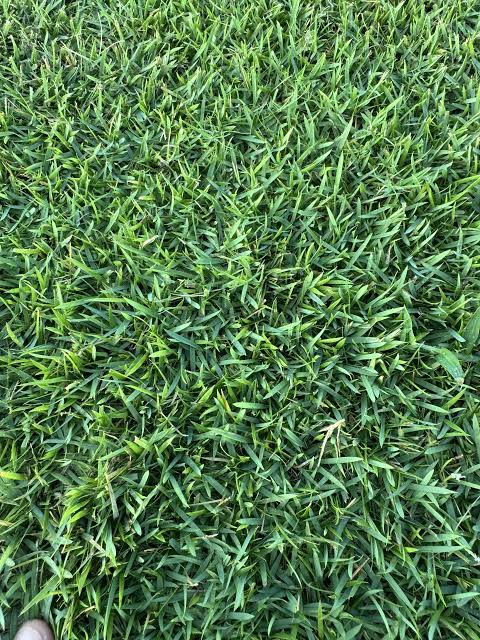
Cold-hardy with a uniform appearance.
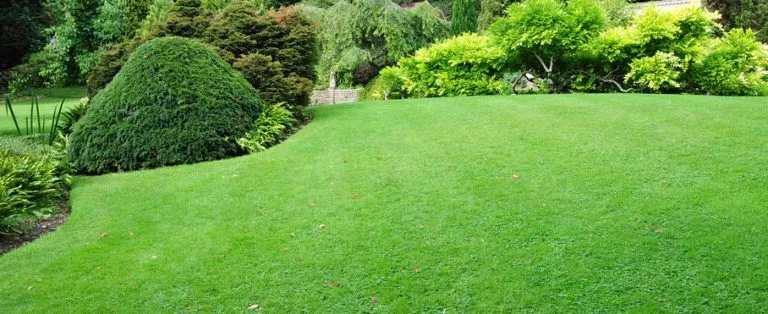
Zeon Zoysia grass, a hybrid variety of zoysia grass, is celebrated for its luxurious appearance, resilience, and adaptability, making it a top choice for lawns, golf courses, and recreational areas. When first laid, Zeon Zoysia shows a rich, deep green hue that instantly enhances the landscape, delivering a vibrant, inviting look. Its blade texture is another hallmark; the grass exhibits soft, yet dense blades that are finely textured and plush underfoot. This combination of aesthetic appeal and sumptuous feel contributes to its growing popularity among homeowners and landscapers alike.
Once you lay your Zeon Zoysia sod, rigorous care is essential for successful establishment. Begin with an immediate deep watering. Apply approximately 1 inch of water uniformly over the entire area within the first 24 hours to encourage root penetration and establishment. During the initial couple of weeks, maintaining consistent moisture levels is vital to facilitate strong root growth while avoiding waterlogged conditions. After the first two weeks, gradually taper off watering. While Zeon Zoysia is resistant to drought, it still requires moisture to thrive, especially during establishment. A general rule of thumb is to water deeply but infrequently, allowing the soil to dry slightly between watering sessions
Proper maintenance after installation includes mowing, fertilization, and pest management. Following the initial establishment period of about 3 weeks, it is advisable to mow Zeon Zoysia to a height of around 1.5 to 2.5 inches. This not only helps maintain a manicured appearance but also encourages lateral growth, enhancing the lawn's density. Fertilization should be initiated around six to eight weeks after installation. A balanced, slow-release fertilizer designed for warm-season grasses will support strong growth and color.
Zeon Zoysia boasts an impressive tolerance to environmental stresses, including drought, heat, and foot traffic. However, it is essential to strike a balance; even drought-tolerant grasses require periodic watering during prolonged dry spells. Zeon's extensive root system allows it to reach moisture deeper in the soil, but regular irrigation during dry periods promotes optimal growth and health. Cold tolerance is also noteworthy, as it is more resilient than other warm-season varieties, although it can experience dormancy during frigid winter months. During these periods, the grass may turn brown, but it will green up spectacularly as temperatures rise in spring.
A hybrid Zoysia that is soft, low-maintenance, and heat-tolerant. It handles foot traffic well and is good for erosion control.
© Southeastern Turf Grass 2026. All rights reserved.
Designed by PMI Pros
Terms & Conditions